Geography of China
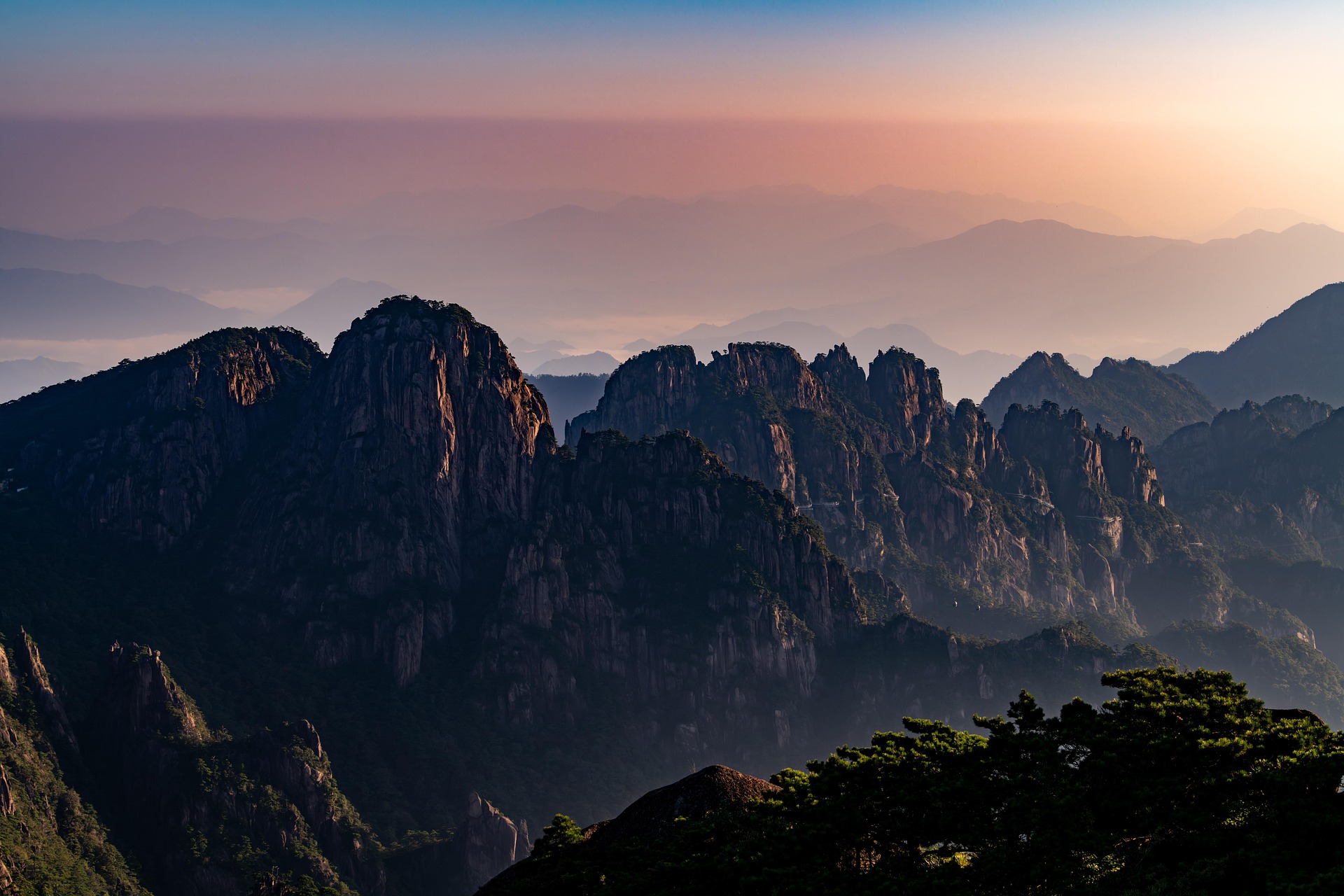
China is a vast East Asian nation characterized by a dramatic "three-step" topography that descends from the high Tibetan Plateau (the "Roof of the World") in the west to fertile eastern plains and coastlines.
Geography of China
China, the world's fourth-largest country, features a diverse landscape that is generally low in the east and high in the west, often described as a three-step staircase. Covering over 3.7 million square miles, it includes the massive Tibetan Plateau and Himalayas to the west, expansive deserts Gobi, Taklamakan in the north and northwest, and fertile alluvial plains and river basins Yangtze, Yellow Rivers supporting the majority of the population along the eastern coast.
- Yangtze River
- The Yangtze river is a plains river along the China coast. It is home to many river basins and multiple forms of wildlife.
- Himalayas
- The Himalayas are mountains inside of china. They are the largest mountain range in the world! The Himalayas have 110 points going over many country's.
- Pearl River
- The Pearl River (Zhujiang) is a major 2,400 km river system in southern China, ranked as the country's third-longest and second-largest by volume. Forming a vast delta in Guangdong province, it flows through cities like Guangzhou into the South China Sea. The region is a global manufacturing hub and densely populated urban area.
- Great Wall of China
- The Great Wall of China is a massive,21,000-kilometer-long series of fortifications built over centuries—principally during the Ming Dynasty—to protect northern borders against invasions. Recognized as a UNESCO World Heritage Site and one of the New 7 Wonders of the World, it stands as an incredible architectural feat symbolizing Chinese history and strength.
- Forbiden City
- The Forbidden City, located in the heart of Beijing, China, is the world's largest palace complex and served as the imperial residence for Ming and Qing dynasty emperors from 1420 to 1912. Constructed from 1406 to 1420, it consists of 980 surviving wooden buildings featuring traditional Chinese architecture, designed to reflect philosophical and political principles. Now a UNESCO World Heritage Site known as the Palace Museum, it houses immense cultural treasures and is a major global landmark.